Canvas Weight Guide: 8oz to 15oz and What It Means
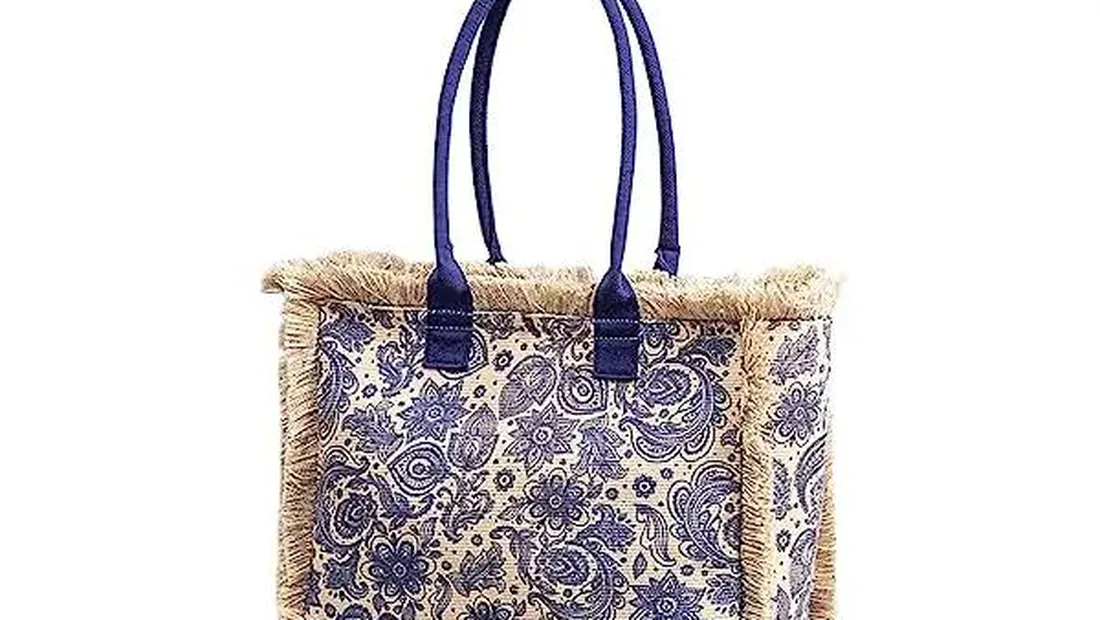
What canvas weight actually measures
Canvas weight is the mass of the fabric per square yard. In the bag trade it's usually stated in ounces. An 8oz canvas weighs eight ounces for one square yard of material. The metric equivalent is grams per square meter, or GSM. The conversion isn't exact. Ounces per square yard and grams per square meter measure different areas. But the industry works with an accepted approximation.
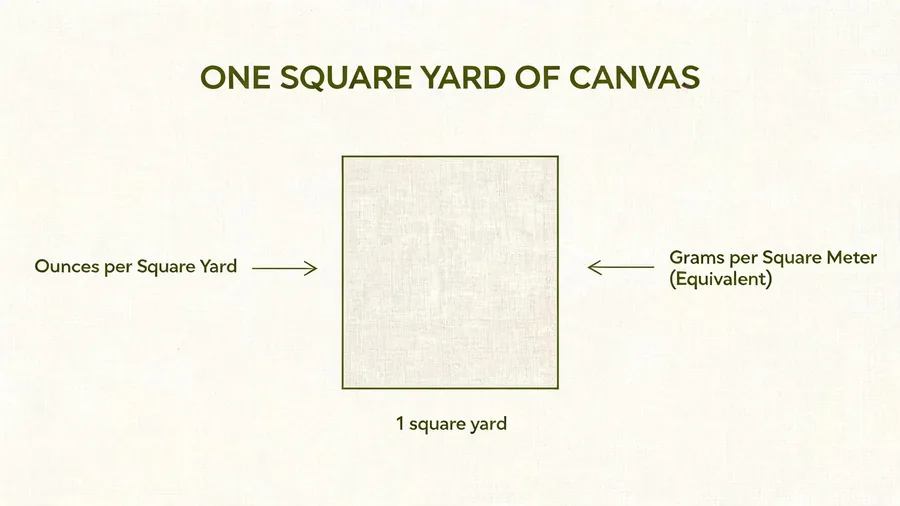
One ounce per square yard equals roughly 34 grams per square meter. So 8oz canvas lands near 270 GSM. A 15oz canvas lands near 510 GSM. The table below gives the working numbers we use in specifications.
Here is the thing to remember. Weight is not strength. A tightly woven 10oz canvas can outperform a loosely woven 12oz canvas. Yarn size, weave density and fiber type all matter. Weight is the starting point for a conversation, not the end of it.
| Canvas weight | Approx GSM | Typical bag use | Hand feel |
|---|---|---|---|
| 8oz | 270 | Light totes, liners, small pouches | Soft, drapey, easy to fold |
| 10oz | 340 | Everyday totes, market bags | Firm but flexible |
| 12oz | 405 | Structured totes, backpacks, crossbody bags | Stiff, holds shape |
| 15oz | 510 | Heavy-duty totes, work bags, outdoor bags | Very stiff, almost rigid |
From 8oz to 15oz: what changes in your hand
An 8oz canvas feels like a thick shirt. It folds without resistance and works well for a bohemian tote meant to slouch. You can sew it with standard machines and it takes a screen print cleanly. But it won't hold a sharp silhouette. The bag will sag when empty.
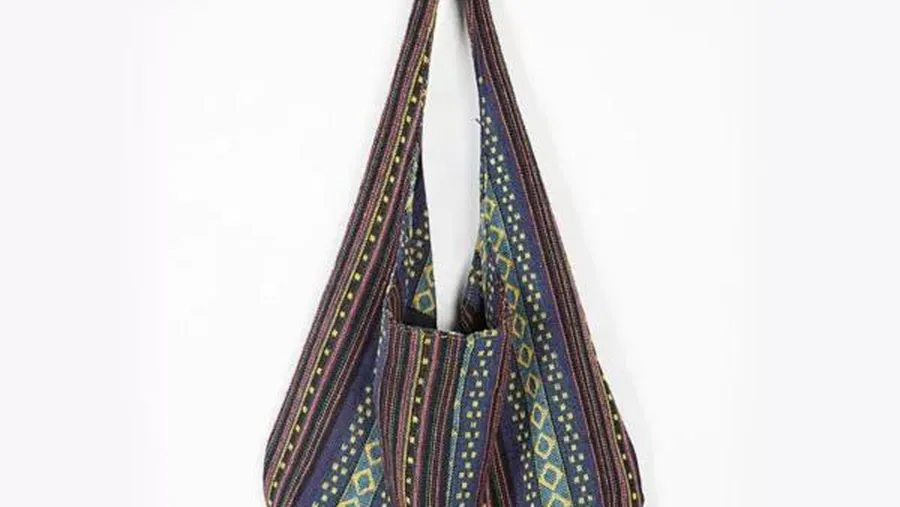
10oz is the workhorse. It's heavy enough to survive daily use but not so heavy that it fights the sewer. A buyer ordering a fringed shoulder bag in 10oz gets a product that keeps its shape at the base while the top stays soft. That balance is why 10oz shows up in so many mid-range canvas lines.
12oz is where structure begins. The fabric resists folding. It stands on its own when cut into panels. A messenger crossbody in 12oz keeps its corners crisp. The tradeoff is handling. You need heavier needles and slower stitch speeds.
15oz is almost a different material. It feels like thin cardboard. Bags in this weight hold their shape even when empty. The fabric is hard to turn at the seams. Sewing it well requires skill. For a heavy work tote, that stiffness is the point. For a beach bag, it's overkill.
How weight interacts with print, stitch and seam
Print method matters more than most buyers expect. Screen printing likes a smooth, stable surface. Heavier canvas helps because it doesn't shift under the squeegee. But very heavy canvas has a coarse texture that can break fine lines. Say you're printing a small logo with thin lettering. A 10oz tight weave will hold that detail better than a 15oz open weave.
Digital printing is less forgiving. It needs a flat, even surface. An 8oz or 10oz canvas with a smooth finish works well. A heavy slubby canvas creates shadows and uneven color. If your design has large solid areas, test on the actual weight before committing.
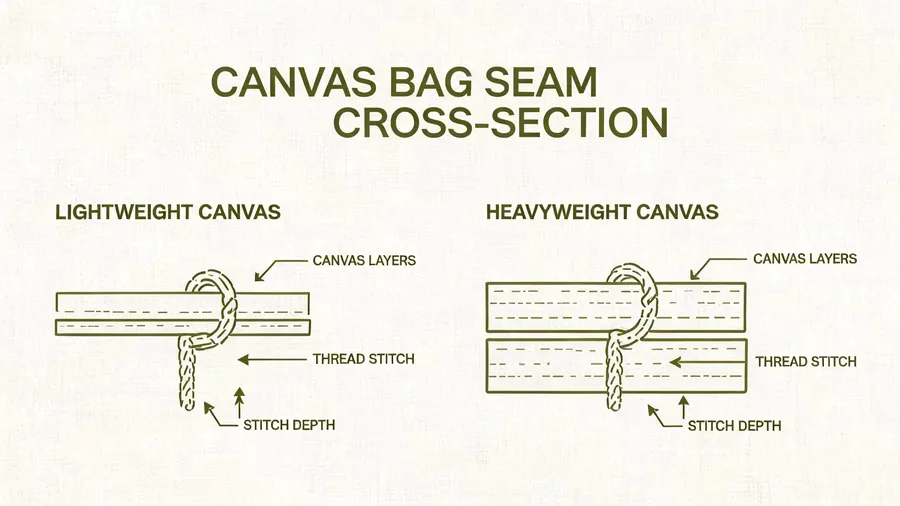
Stitch density follows fabric weight. Lighter canvas takes more stitches per inch because the fabric is thin and stable. Heavier canvas needs fewer stitches per inch. Too many stitches on 15oz will perforate the fabric like a tear strip. Too few on 8oz will let the seam open under load.
Seam construction changes too. A French seam works on 8oz and 10oz because the fabric folds flat. On 15oz, a French seam creates a thick ridge that's hard to topstitch. Most factories switch to a bound seam or a flat-felled seam for heavy canvas. The seam allowance must be specified. A buyer who ignores seam type because the fabric weight looks right will get a bag that fails at the corners.
Where heavier canvas stops helping
There's a point where extra weight adds cost without adding value. That point depends on the bag. For a small pouch, 15oz is a mistake. The fabric is too stiff to turn, the seams bulk up, and the product feels like a board. An 8oz canvas does the job better and costs less.
Weight also drives shipping. A container of 15oz canvas bags weighs more than the same count in 10oz. Freight is calculated by volume and weight. The difference per bag is small. Across 10,000 units it's real money. You're paying to ship stiffness you may not need.
Cutting waste rises with heavier fabric. Thick canvas is harder to spread and cut accurately. Pattern pieces shift less, which is good. But the cutting table needs more passes and the blade wears faster. These costs are invisible in a unit price but they show up in the quote.
Imagine a buyer who orders a 15oz tote for a grocery giveaway. The bag is indestructible. It's also heavy, stiff and expensive to ship. A 10oz canvas would have carried the same groceries. The buyer paid extra for durability nobody asked for. That's the practical limit of canvas weight.
Blends: what polyester or linen changes
Pure cotton canvas is the standard. It takes dye well, prints cleanly and softens with use. But it shrinks, wrinkles and absorbs water. A polyester blend changes all three.
A 65/35 cotton/polyester canvas resists wrinkles and dries faster. It also holds a crease better, which helps structured bags. The tradeoff is hand feel. Polyester makes the fabric slightly slicker and less breathable. For a tote that will sit in a car trunk, the blend is a good choice.
Linen canvas is a different animal. It's stronger than cotton at the same weight and has a natural slub texture. It wrinkles easily. That's part of the look for a beach bag or a market tote. Linen also costs more and is harder to source in consistent weights. A buyer who wants a 12oz linen canvas should expect longer lead times.
Blends change the GSM conversation. A 10oz cotton canvas and a 10oz cotton/poly blend may have the same weight but different stiffness. The blend is usually stiffer because polyester is denser. Don't assume weight alone tells you how the fabric will behave.
How to state canvas weight in a specification
Write the weight as a range, not a single number. Fabric mills have tolerance. A specification that says "10oz" will get fabric anywhere from 9.5oz to 10.5oz depending on the mill. That's normal. State it as "10oz ±0.5oz" or "340 GSM ±5%" and the factory knows what to accept.
Include the measurement method. Canvas weight is measured after conditioning the fabric to a standard moisture level. Cotton absorbs water from the air. A humid day can add weight. The specification should say which standard applies. The exact method depends on the mill and the region, so check current guidance from the relevant textile standards body before finalizing.
Name the fiber content. "Canvas" alone is not a specification. Say "100% cotton canvas, 10oz" or "65% cotton 35% polyester canvas, 12oz". This protects you when the sample arrives. A 10oz cotton canvas and a 10oz poly blend are not interchangeable.
Finally, tie weight to the bag structure. A spec that lists fabric weight but not seam type, stitch density and interlining is incomplete. The weight tells the factory what fabric to buy. The construction details tell them how to sew it. Both belong in the same document.
If you're sourcing woven bags and want to see how canvas fits into a broader cotton canvas material strategy, start with the fabric first. The bag design follows the material. For more on minimums and ordering logic, see our straw bag MOQ sourcing guide.
Frequently Asked Questions
Is 12oz canvas too heavy for a tote bag?
No. 12oz is a common weight for structured totes that need to stand up when empty. It's too heavy for a slouchy beach tote but right for a work bag or a grocery tote that carries bottles and cans.
What does 10oz canvas mean in GSM?
10oz per square yard is approximately 340 grams per square meter. The conversion is a working approximation because the two units measure different areas, but 340 GSM is the number most factories use.
Does heavier canvas always mean stronger canvas?
No. Strength depends on yarn size, weave density and fiber type as much as weight. A tightly woven 10oz canvas can outperform a loosely woven 12oz canvas in tear and abrasion tests.
Can I screen print on 15oz canvas?
Yes, but the coarse texture can break fine lines. Screen printing works best on a smooth, stable surface. For thin lettering or small details, a 10oz tight weave often holds the print better than a heavy open weave.
Sourcing woven bags?
Send your questions to the factory directly. We reply within 24 hours.
Request a Quote