Wholesale Canvas Bags: Weights, Sizes and Bulk Order Specs
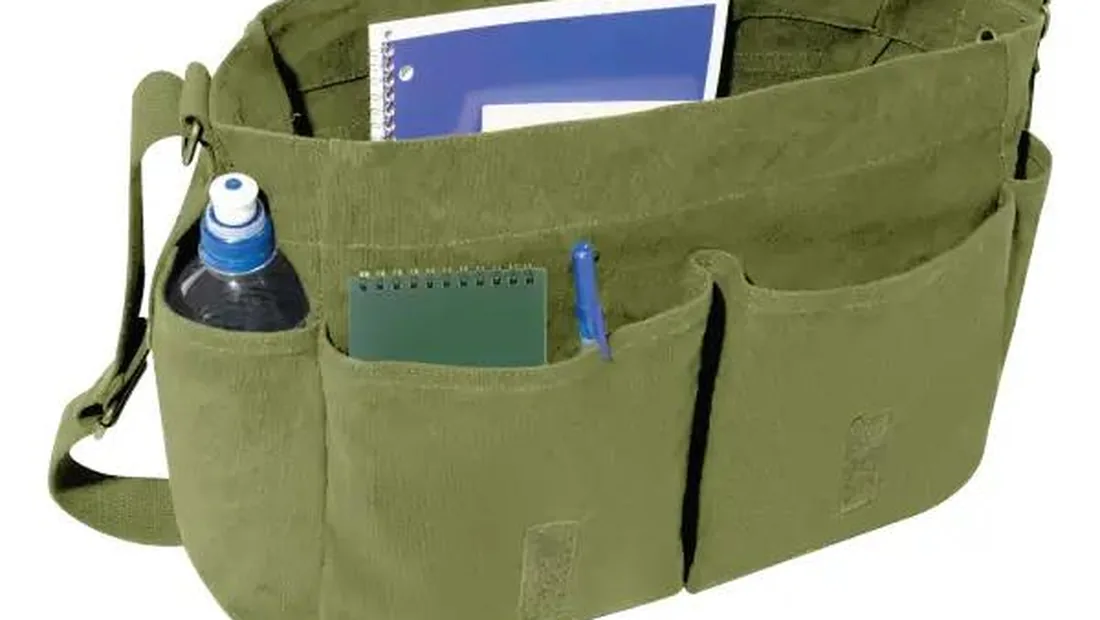
Wholesale canvas bags look simple until you have to spec one. A buyer ordering 3,000 totes in two colors will ask different questions than a buyer ordering 200 heavy grocery bags with a heat-transfer logo. The difference usually comes down to canvas weight, gusset construction, handle style, and print method. Camytonc has been in business since 2013, and these are the questions we answer most often from sourcing managers and brand owners.
Canvas weight in ounces: what each band is for
Canvas weight is stated in ounces per square yard. It's not a measure of thread thickness. It's the mass of the finished fabric. A higher ounce number means more fiber per square yard. That usually means a stiffer, more durable bag. But it also means higher cost and a heavier shipment.
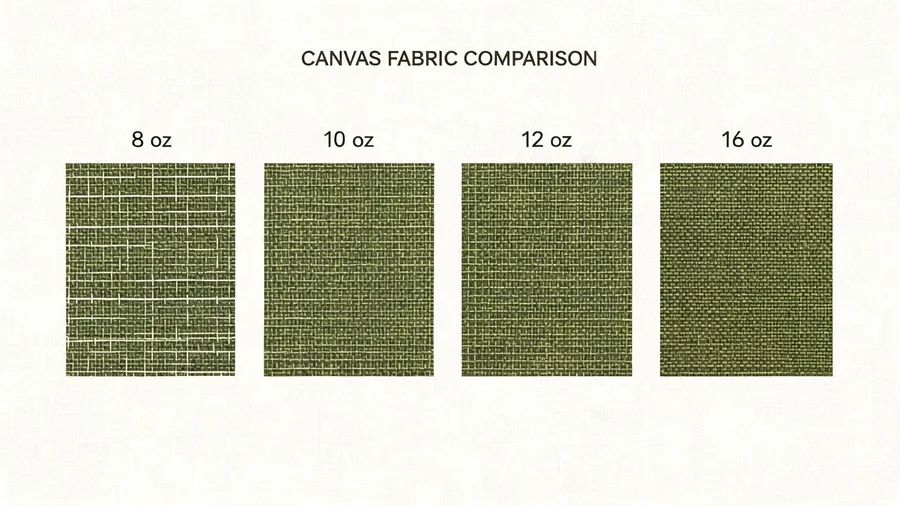
Four bands cover most wholesale canvas bags.
- 8 oz canvas. Lightweight promotional totes and giveaways. These fold flat, cost less to ship, and hold a few pounds comfortably. Not the choice for groceries.
- 10 oz canvas. Everyday retail and event totes with better structure. This is the band most brands pick for a balance of price and durability.
- 12 oz canvas. Durable shopper and grocery totes. The bag stands on its own, holds heavier items, and survives repeated washing better than lighter canvas.
- 15 oz canvas. Heavy-duty work and load-bearing bags. Thick, stiff, and built for tools, books, or bulk groceries. The fabric itself resists tearing.
Canvas is available in 8, 10, 12, and 15 oz, with rPET available as a material option. If a buyer sends us a photo of a tote and asks for the same thing, we ask what the bag will carry. That one answer usually narrows the weight band immediately.
Natural vs dyed vs recycled cotton canvas
Natural cotton canvas is undyed. It's the standard blank for screen printing because the surface is predictable and the color doesn't fight the ink. Most promotional totes start here.
Dyed canvas gives consistent brand colors across a production run. The tradeoff is print color matching. A red logo on natural canvas will look different from the same red on a dyed navy canvas. The ink sits on a colored ground, and the ground shifts the perceived color. Buyers who need exact brand colors should request a strike-off on the dyed fabric, not on a natural swatch.
Recycled cotton canvas uses reclaimed cotton fiber, often blended with rPET. It's available as an option for brands that need a sustainability story. The fiber blend changes the hand feel slightly. It can be softer or stiffer depending on the recycled content and weave. Colorfastness matters for dyed canvas in washing and rubbing. Ask any supplier for the test method and acceptance limit before you commit to a dark dyed color.
Colorfastness is resistance to color change or color transfer during rubbing, washing, light exposure, or contact with moisture. The exact test values depend on the agreed specification. No shortcut there.
Gusset and base construction: how a bag keeps its shape
A flat tote has no gusset. It's two panels sewn together and folds flat for storage. That's fine for a giveaway bag. It's not fine for a grocery bag that needs to stand open at the checkout.
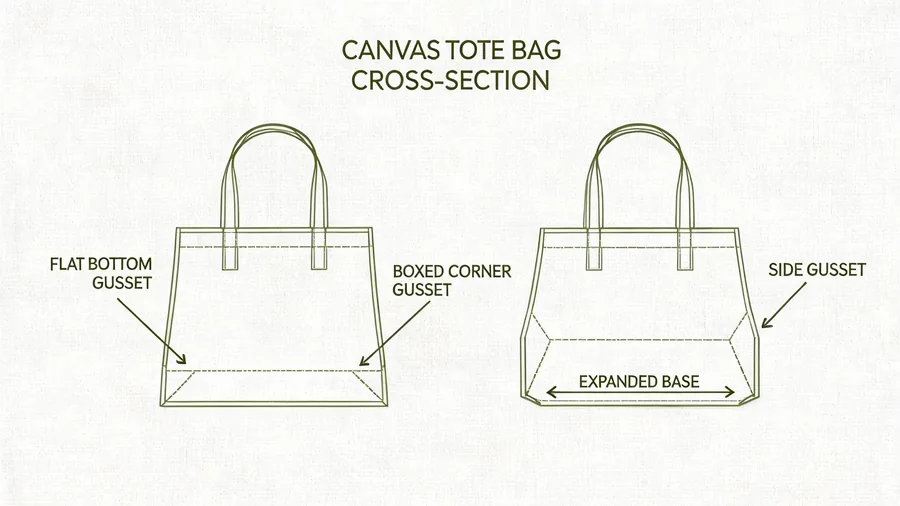
Side and bottom gussets create depth and standing shape. A gusset is a folded or separate panel sewn between the front and back panels. It gives the bag a third dimension. The wider the gusset, the more volume the bag holds and the better it stands when empty.
T-bottom and boxed bases add load support. A T-bottom is a seam across the bottom corners that creates a flat base. A boxed base is a more structured version with a separate bottom panel. Both spread the load across the base instead of concentrating it on the side seams. For a 12 oz or 15 oz grocery tote, a boxed base is worth the extra sewing step.
Reinforcement patches protect high-stress seams. The corners where the handles meet the bag body take the most force. A reinforcement patch is an additional material layer placed at a high-stress attachment or seam. It's cheap insurance against a returned bag.
Handle length and webbing vs self-fabric handles
Handle drop is the vertical distance from the top of the bag to the inside top of the handle grip. It determines shoulder carry versus hand carry. A short drop works for hand carry. A longer drop lets the bag sit on the shoulder. If a buyer wants both, we spec a drop in the middle and test it on a loaded bag.
Self-fabric handles match the bag body and keep a uniform look. They're cut from the same canvas and sewn into the top seam. The look is clean. The weakness is that canvas handles can be bulky and stiff, especially at 12 oz or 15 oz.
Webbing handles add strength and contrast styling. Nylon or polyester webbing is softer through the hand, holds a fixed length under load, and takes less sewing time than folded canvas handles. Polyester webbing has lower stretch and better UV resistance. Nylon webbing stretches more under load and recovers. Both work. The choice is aesthetic and load-based.
Handle attachment points need reinforcement for heavy loads. A box-X stitch at the anchor point is standard practice. Without it, the handle pulls out of the seam. This is the most common failure we see in cheap totes.
Print methods and how canvas weight affects the result
Screen printing suits solid colors and repeat production. Ink is forced through a prepared screen onto the material. It works well on natural canvas and on heavier weights because the fabric doesn't shift under the screen. A 15 oz canvas gives a more stable print surface than an 8 oz canvas. Thin canvas can move during printing and cause blurry edges.
Heat transfer graphics need adhesion and wash testing. A prepared graphic is transferred to the material with heat and pressure. Adhesion, stretch, wash, and abrasion performance must be validated. This matters more on dyed canvas and on coated canvas, where the surface may resist the transfer.
Heavier canvas gives a more stable print surface for both methods. The fabric doesn't ripple or stretch as the ink or transfer is applied. Artwork colors and placement coordinates should be specified before sampling. A placement coordinate tells the factory exactly where the logo sits relative to the top seam and side seams. Without it, the logo drifts.
Tote, shopper, drawstring and zip-top formats compared
| Format | Common weight band | Typical use |
|---|---|---|
| Tote | 8 oz to 12 oz | Open-top everyday carry, retail, events |
| Shopper | 10 oz to 15 oz | Larger grocery or market bag, structured base |
| Drawstring | 8 oz to 10 oz | Lightweight promotional format, gym kits |
| Zip-top | 10 oz to 15 oz | Secure retail or travel format, document storage |
A tote is an open-top bag with two handles. It's the default canvas bag. A shopper is a larger tote with a wider gusset and often a boxed base, built for groceries. A drawstring bag is a lightweight promotional format with a cord closure. A zip-top bag adds a zipper across the main opening for security. The format changes the sewing time, the hardware count, and the quote.
What drives a wholesale canvas bag quote
Quantity is the first driver. For woven bags, the MOQ is 200 pcs for cotton canvas. For other categories, MOQs range from 50 to 1000 pcs depending on material and construction. A 200-piece order spreads setup costs across fewer units than a 5,000-piece order. That changes the unit cost more than any other single factor.
Number of bag colors is the second driver. Each color change means the sewing line stops, the thread changes, and the fabric changes. Two colors is simple. Six colors is a different production plan.
Number of print colors and print method is the third driver. A one-color screen print is one screen. A four-color print is four screens and four setup steps. Heat transfer has its own tooling cost per design. More print colors means more setup and more inspection time.
Send these spec fields for an accurate quote: bag format, canvas weight, bag dimensions, gusset depth, handle style and drop, number of bag colors, print method, number of print colors, artwork placement, target quantity, and destination country. Camytonc has a monthly output of 150,000 units, warehouses holding 3,000,000+ items, and 220+ fabric suppliers. That capacity matters when you need 10,000 bags in eight weeks.
Frequently asked questions
Where can I buy bulk canvas bags?
You buy bulk canvas bags from a manufacturer or a trading company that specializes in woven and textile bags. A manufacturer gives you direct control over canvas weight, gusset construction, and print method. A trading company may offer lower minimums but less control over the spec. Ask for the factory audit report and a sample before you commit. Camytonc operates a BSCI-certified factory with 30,000+ square meters, 500+ workers, 100+ designers, and 50+ automated production lines.
Where can I wholesale heavy-duty canvas tote bags?
Heavy-duty canvas tote bags start at 12 oz and go up to 15 oz. Look for a supplier that stocks these weights or can source them quickly. The factory should show you the gusset construction and the reinforcement at the handle attachment points. A heavy bag with weak handles isn't heavy-duty. Ask for the handle drop and the stitch pattern at the anchor.
How does canvas weight affect a wholesale tote bag quote?
Canvas weight changes the fabric cost, the cutting time, and the sewing difficulty. Heavier canvas costs more per yard and takes more effort to turn and topstitch. It also weighs more, which raises freight cost. An 8 oz tote is the cheapest to produce and ship. A 15 oz tote is the most expensive. The quote will reflect that spread.
What is the difference between a tote, shopper, and drawstring canvas bag?
A tote is an open-top bag with two handles, built for everyday carry. A shopper is a larger tote with a wider gusset and often a boxed base, built for groceries. A drawstring bag has a cord closure and no structured handles, built for lightweight promotional use. The format changes the sewing pattern, the hardware, and the minimum order quantity.
If you're sourcing woven bags, take a look at our wholesale straw bags page or the canvas weight guide. For a different material comparison, see raffia vs straw bags. Contact Camytonc at [email protected].
Frequently Asked Questions
Where can I buy bulk canvas bags?
You buy bulk canvas bags from a manufacturer or a trading company that specializes in woven and textile bags. A manufacturer gives you direct control over canvas weight, gusset construction, and print method. A trading company may offer lower minimums but less control over the spec. Ask for the factory audit report and a sample before you commit.
Where can I wholesale heavy-duty canvas tote bags?
Heavy-duty canvas tote bags start at 12 oz and go up to 15 oz. Look for a supplier that stocks these weights or can source them quickly. The factory should show you the gusset construction and the reinforcement at the handle attachment points. A heavy bag with weak handles is not heavy-duty. Ask for the handle drop and the stitch pattern at the anchor.
How does canvas weight affect a wholesale tote bag quote?
Canvas weight changes the fabric cost, the cutting time, and the sewing difficulty. Heavier canvas costs more per yard and takes more effort to turn and topstitch. It also weighs more, which raises freight cost. An 8 oz tote is the cheapest to produce and ship. A 15 oz tote is the most expensive. The quote will reflect that spread.
What is the difference between a tote, shopper, and drawstring canvas bag?
A tote is an open-top bag with two handles, built for everyday carry. A shopper is a larger tote with a wider gusset and often a boxed base, built for groceries. A drawstring bag has a cord closure and no structured handles, built for lightweight promotional use. The format changes the sewing pattern, the hardware, and the minimum order quantity.
Sourcing woven bags?
Send your questions to the factory directly. We reply within 24 hours.
Request a Quote