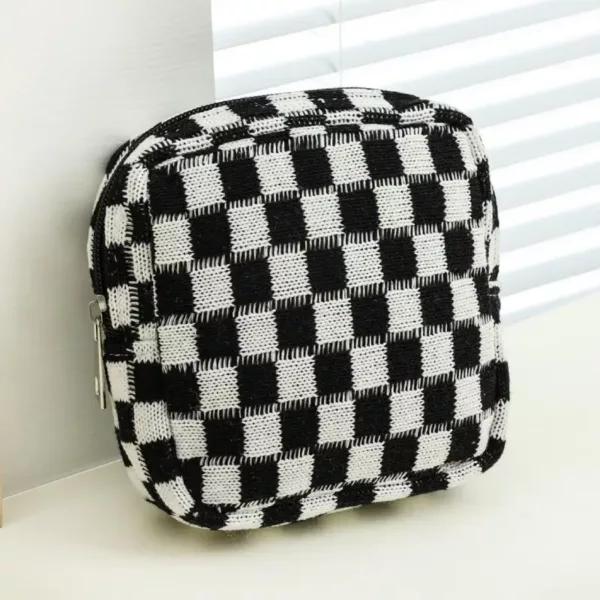
Square Woven Checkered Cosmetic Pouch
| Material | Cotton |
|---|---|
| Dimensions | 14 x 3.5 x 14 cm; 40 g |
| Color | (Customized Made) |
| Custom Logo | Accept Customized Logo |
Lead time
| 1-100 pieces | 15 days |
|---|---|
| 151-500 pieces | 25 days |
| > 500 pieces | To be negotiated |
Material guide: Cotton Canvas
Details
- Premium blend of soft fabric and robust canvas with a smooth metal zipper.
- Slim square profile slips into totes, backpacks and luggage.
- Easy-to-clean material simplifies daily upkeep.
Samples are paid and ship in 1-10 days; one revision round takes 2-3 days. Logo application on in-stock styles takes 3-7 days.
Related styles
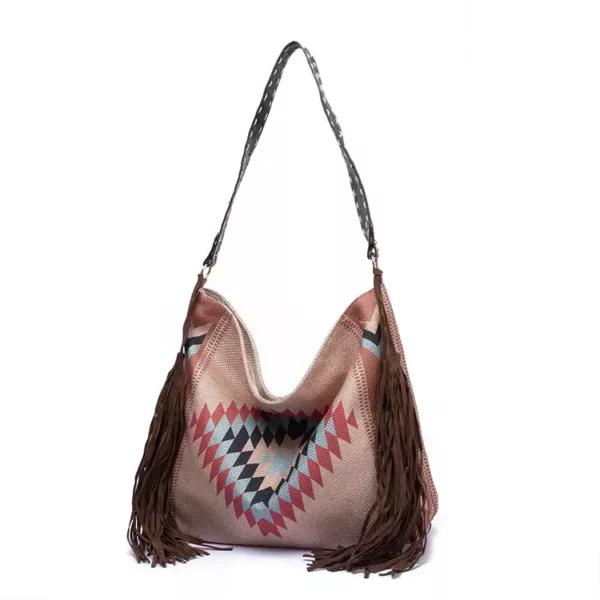
Handmade Woven Tassel Cotton and Linen Shoulder Bag
Bohemian jacquard-woven shoulder bag in cotton and linen with suede-touch tassels.
HB-4746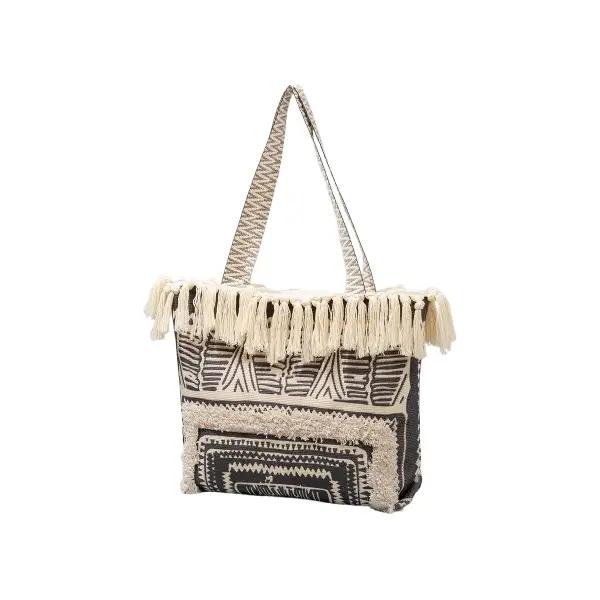
Bohemian Tassel Canvas Tote
Holiday tote in polyester cotton with woven jacquard pattern, tufting and a full tassel fringe.
HB-4786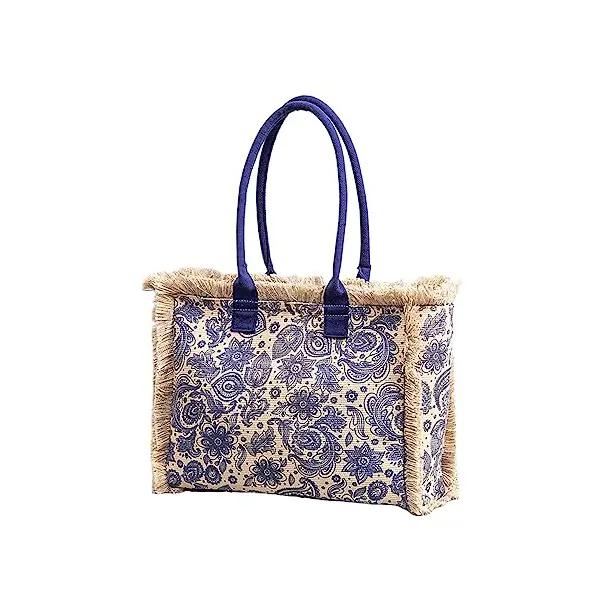
Fringed Canvas Shoulder Bag
Large-capacity zippered canvas shoulder bag with printed pattern and natural fringe trim.
HB-4777Square woven checkered cosmetic pouch: honest strengths and real limits
A square woven checkered cosmetic pouch is a small, structured organizer. It reads as handmade even when it's produced at scale. The woven checkered face does a lot of work here. It hides scuffs and light soiling better than a flat print. It also gives the pouch a texture buyers associate with natural materials. That's the good news.
The trade-off is dimensional. At 14 x 3.5 x 14 cm and 40 g, this is a slim, flat-profile piece. It'll slip into a tote or a backpack side pocket without fighting for space. But it won't hold a full-size hairbrush standing upright. It won't swallow a chunky power bank with room to spare, either. A buyer who expects a dopp-kit level of organization will be disappointed. A buyer who wants a tidy pouch for lip balm, a compact mirror, earbuds and a few cards will find the size right.
The material blend matters too. Cotton gives the woven face a soft hand and a matte look. Canvas, which is a plain-woven fabric often cotton or a cotton blend, adds structure and abrasion resistance. Together they make a pouch that feels substantial without being stiff. The smooth metal zipper is a small but important choice. A rough or undersized zipper on a pouch this slim would catch on the woven edge. A smooth zipper lets the pouch open wide without snagging.
Where is this the wrong choice? If a buyer needs leak containment for liquids, this construction isn't the answer. A woven cotton face and a stitched body aren't leakproof. They may be wipe-clean. But a spilled toner or sunscreen will soak through the seams unless a removable waterproof insert is added. And if the program calls for a pouch that holds its shape when empty, the 40 g weight and soft cotton face won't provide that. This is a soft pouch with a structured look, not a rigid case.
| Published spec value | What it means in use | What to watch for |
|---|---|---|
| Cotton | Soft hand, matte finish, good print and dye take-up | Wrinkle recovery and shrinkage after washing; colorfastness on dark checks |
| 14 x 3.5 x 14 cm | Slim square profile; fits flat in totes and luggage | Interior capacity is limited; bulky items will distort the shape |
| 40 g | Lightweight; adds almost no pack weight | No internal stiffener; pouch will not stand open on its own |
| Customized Made | Buyer can specify color, pattern and logo placement | Woven check repeat must be locked before sampling; dye lot variance |
| Accept Customized Logo | Logo can be applied to the woven face | Method choice affects durability and minimums; see customization section |
How buyers customize this square woven checkered cosmetic pouch
Some changes are routine. Changing the checkered colorway is a dye-lot discussion, not a tooling event. A buyer who wants a black-and-cream check instead of a red-and-natural check can usually work from the existing weave draft. Pantone matching for solid accent colors follows the standard tolerance of ΔE ≤ 2.0. That's a color approval step, not a new mold.
Logo application splits into two groups. Heat-pressed PVC, laser engraving on a small leather or faux-leather patch, and woven labels are routine for this pouch size. A woven label with a minimum around 300 pieces is a low-risk way to add branding without touching the pouch body. A metal plate, with a minimum around 200 pieces, adds weight and a hard edge to a soft pouch. So it's less common here. Reflective logos and hidden logos are possible but the minimums climb to around 1000 and 50 pieces respectively. Reflective film on a woven cotton face can look technical rather than natural.
Changes that need new tooling are the ones that alter the pouch silhouette. Adding a hanging loop means a new pattern piece and a reinforcement patch at the attachment point. A loaded pouch hanging from one loop concentrates all the stress there. Adding a clear film pocket inside requires a different lining panel and a new sewing sequence. Changing the zipper from metal to a waterproof coil zipper isn't a drop-in swap. The zipper tape width and the seam allowance around the opening both change. None of these are impossible. But they push sampling from the 1, 10 day paid-sample window into a longer conversation.
Lead time moves with quantity. The published table shows 15 days for 1, 100 pieces and 25 days for 151, 500 pieces. A buyer who adds a new woven pattern or a custom zipper pull should expect that 25-day window to stretch. The factory has to schedule a new weave setup or order hardware. A buyer who keeps the existing check and only changes the logo can often hold the 15-day window. That's especially true if the logo is applied to in-stock styles, which runs 3, 7 days.
What to confirm before you approve sampling
The most common rework on this pouch comes from three places. First, the woven check repeat. If the buyer approves a digital mockup but the physical weave has a different repeat or a looser tension, the pouch looks wrong at arm's length. Write the check repeat and the yarn count into the approved sample. Second, the zipper tape color against the woven face. A white zipper tape on a cream check is a mismatch buyers notice late. Specify the tape color in the sample approval. Third, the interior seam finish. A pouch this slim is turned inside out during construction. So the seam allowance can show through the cotton face if it isn't trimmed and bound cleanly.
Ask for a pre-production sample with the actual woven fabric, not a substitute. Check the pouch with a full load of the items a typical user would carry. Does the zipper still glide when the pouch is overstuffed by one item? Does the shape distort at the corners? Those are the questions a spec list cannot answer.
Finally, confirm the logo method on the physical sample. A woven label sewn into the side seam is low-risk. A heat-pressed PVC patch on the checkered face can look fine on a flat mockup. But it may bubble or peel at the weave intersections. If the buyer wants a patch, ask for a wash-and-rub test on the actual fabric before the full run. For more on woven bag construction and material trade-offs, see our PP woven materials guide and the woven shopping bag range. If this pouch is part of a larger beach or travel program, the beach bag collection shows how the same woven language scales up.