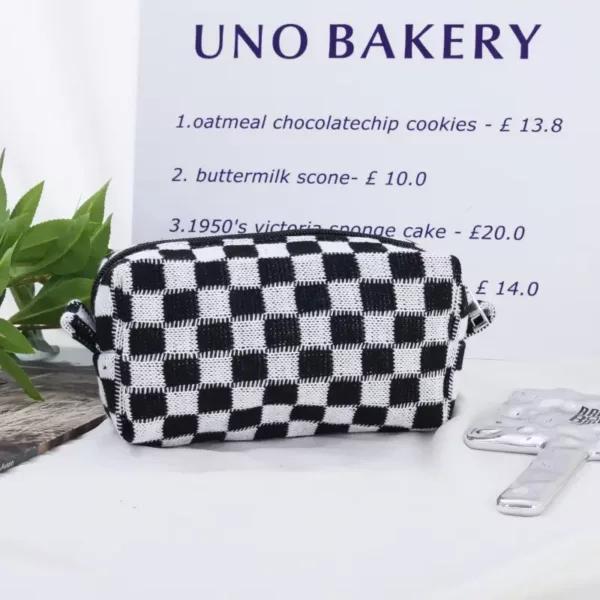
Soft Woven Checkered Toiletry Bag
| Material | Cotton |
|---|---|
| Dimensions | 19 x 7.5 x 9.5 cm; 65 g |
| Color | (Customized Made) |
| Custom Logo | Accept Customized Logo |
Lead time
| 1-100 pieces | 15 days |
|---|---|
| 151-500 pieces | 25 days |
| > 500 pieces | To be negotiated |
Material guide: Cotton Canvas
Details
- Soft woven fabric balanced with robust canvas for lasting durability.
- Holds brushes, pencils, creams, lipsticks and other essentials.
- Also works for jewelry, tools, electronics and travel kits.
Samples are paid and ship in 1-10 days; one revision round takes 2-3 days. Logo application on in-stock styles takes 3-7 days.
Related styles
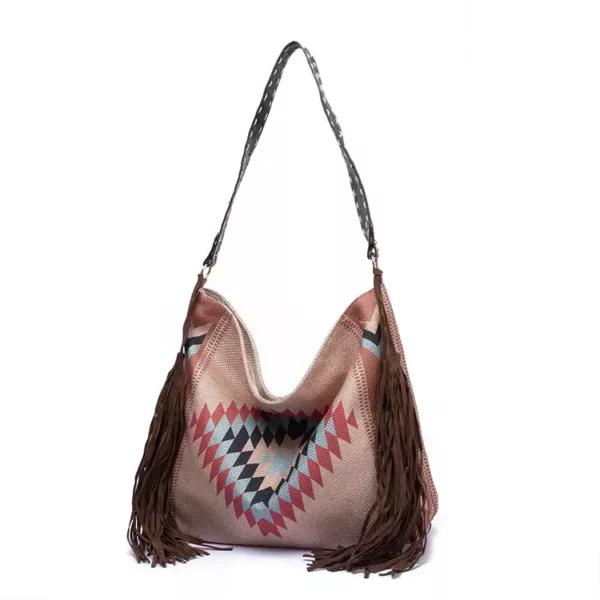
Handmade Woven Tassel Cotton and Linen Shoulder Bag
Bohemian jacquard-woven shoulder bag in cotton and linen with suede-touch tassels.
HB-4746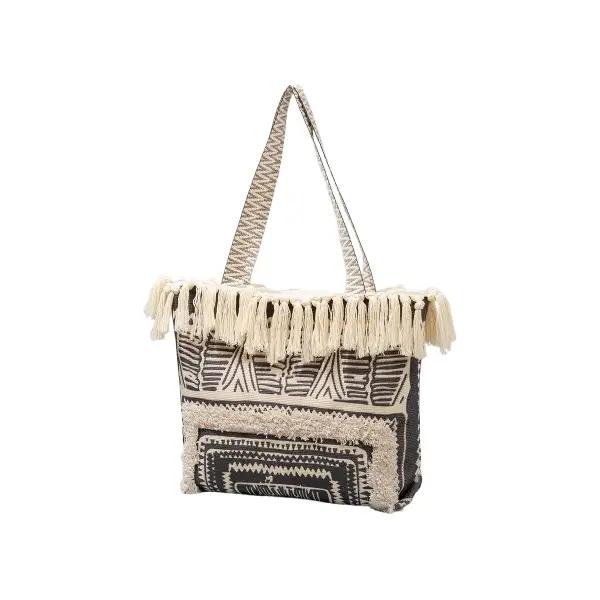
Bohemian Tassel Canvas Tote
Holiday tote in polyester cotton with woven jacquard pattern, tufting and a full tassel fringe.
HB-4786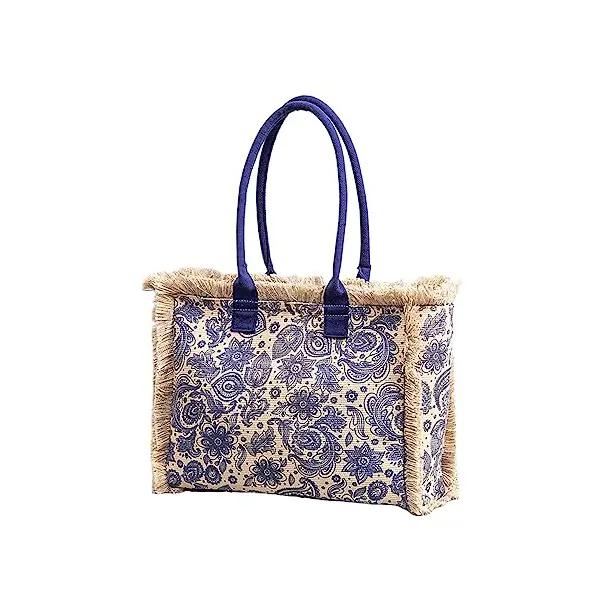
Fringed Canvas Shoulder Bag
Large-capacity zippered canvas shoulder bag with printed pattern and natural fringe trim.
HB-4777What the soft woven checkered toiletry bag does well, and where it fights you
The soft woven checkered toiletry bag is a cotton organizer with a woven face and a compact shape. It measures 19 x 7.5 x 9.5 cm and weighs 65 g. That is small enough to throw into a weekender, but not a hanging dopp kit. You get a light, flexible shell that compresses when a suitcase is overpacked. You also get a material that will not shrug off a shampoo leak the way a TPU-lined bag would.
Think about how buyers actually use this. A buyer who sells travel accessories may love the low weight and the woven texture. A buyer who sells premium skincare kits may not. Cotton absorbs, stains, and holds moisture. The weave gives the bag its look, but the spaces between yarns are places where powder and oil can settle. Cleanability depends on the liner and seam treatment, and those are not stated in this SPU. So ask before you sample.
The dimensions matter more than the photos suggest. At 19 cm long, the bag holds brushes, pencils, creams and lipsticks. It will not hold a full-size hairbrush lying flat unless that brush is under about 18 cm. The 7.5 cm width and 9.5 cm height create a rounded, open cavity. Good for grabbing things. Not good for keeping upright bottles standing if the bag is tossed around. The 65 g weight is a selling point for carry-on limits, but it also tells you the shell is thin. Expect the bag to collapse when empty. Some buyers want that. Some want more structure.
| Published spec | What it means in use | What to watch for |
|---|---|---|
| Cotton | Soft hand, woven texture, low weight, good print surface | Absorbs spills, can stain, slow to dry, less abrasion resistance than nylon |
| 19 x 7.5 x 9.5 cm | Compact cavity for brushes and small tubes, fits in a larger bag | Full-size tools may not fit, upright bottles can tip, check your target kit size |
| 65 g | Very light, easy to pack, low freight cost per unit | Thin shell, little structure, bag collapses when empty, check handle or hanging load |
| Custom | Color can be matched to a brand palette | Woven yarn dye lots can shift, request a lab dip before bulk |
| Accept Customized Logo | Branding is possible on the woven face | Logo method changes tooling and lead time, confirm the method in the sample |
This is a good bag for a lightweight travel line, a festival accessory set, or a gift-with-purchase. It is a poor fit for a leakproof cosmetic case or a heavy daily-use kit. The material and the size both point the same way. Choose it when the buying trigger is look and packability, not liquid protection.
How buyers customize this SPU, and what each change costs you
Customization splits into two lanes. Routine changes stay within the existing cut-and-sew process. Tooling changes force new components, new approvals, or a longer runway. Know which lane you are in before you ask for a sample date.
Color is the easiest change. The spec says Custom, and cotton takes dye well. You can match a Pantone reference, with a delta E of 2.0 or less as the general practice in this category. But woven yarns are dyed before weaving. A lab dip for a checkered pattern means approving each yarn color, not just a flat swatch. That can add a few days. It does not change the lead time table for 1-100 pieces or 151-500 pieces, but it can delay the first cutting if the dip is not approved early.
Logo application is the next decision. The spec says Accept Customized Logo, but it does not say which method. A woven label is routine and needs a low setup quantity. A heat-pressed PVC patch or a metal plate is not routine. Those need new molds or dies. Laser marking on cotton is possible, but the burn edge on a woven checkered face can look inconsistent. Ask for a strike-off on the actual fabric before you commit. The published sample lead time is 1-10 days, and one revision round takes 2-3 days. That assumes the logo method is already chosen. If you change the method after the first sample, you restart the clock.
Shape and size are the expensive changes. The 19 x 7.5 x 9.5 cm dimensions are fixed in this SPU. A buyer who wants a hanging hook, a mesh pocket, or a clear film window is asking for a new pattern. That means new cutting dies, new sewing stations, and a new sample approval. It is not a tweak. It is a different product. If you need more organization, look at woven shopping bags or PP woven materials for alternative construction ideas. But do not expect this SPU to absorb those features without a full re-quote.
Packaging is the quiet cost driver. The six standard options range from a poly bag to a gift box with a handle bag. A cotton toiletry bag can ship flat in a poly bag and survive. A gift box adds volume, and volume changes freight. A branded poly mailer keeps the package small but adds a print setup. Decide packaging before sampling, because the sample should include the final pack format. Otherwise you approve a product that arrives differently than the one you tested.
What to confirm before you approve sampling
Three things cause most rework on this type of bag. The weave alignment, the liner, and the logo placement. Nail these in the approved sample and you cut the back-and-forth in half.
First, check the checkered pattern at the seams. A woven pattern shifts. If the checks do not align across the zipper or the side gusset, the bag looks cheap in photos. Tell the factory whether you want matched seams or accept a slight offset. Matched seams waste fabric. That is a cost conversation, not a free request. Write the tolerance into the sample comments.
Second, ask what is behind the cotton. The spec does not list a liner. If there is no coated lining, a spilled serum will reach the outside. If there is a wipe-clean film, ask which one. A smooth coated or film-based inner surface is easier to clean, but it can add stiffness and change how the 65 g bag feels. Confirm whether the seams are stitched only or sealed. A stitched bag can still use a removable waterproof insert when full seam sealing is unnecessary. That is a real option for this product, and it changes the sample.
Third, place the logo on the sample, not on a drawing. The woven face has texture. A logo that looks sharp on a flat mockup can look fuzzy on the actual yarns. Request a physical sample with the logo applied in the method you will use in bulk. If the logo method has a setup quantity, say so in the sample request. That prevents the factory from using a temporary method that will not match production.
Before you approve, write these checks into the sample: seam alignment tolerance, liner material and cleanability, logo legibility on the woven face, zipper pull strength, and the packed shape when the bag is filled with your actual target kit. Do not approve from photos alone. A 19 cm bag looks different in a hand than on a screen. If you need more guidance on woven bag sourcing, see our MOQ sourcing guide or contact us with your sample requirements.