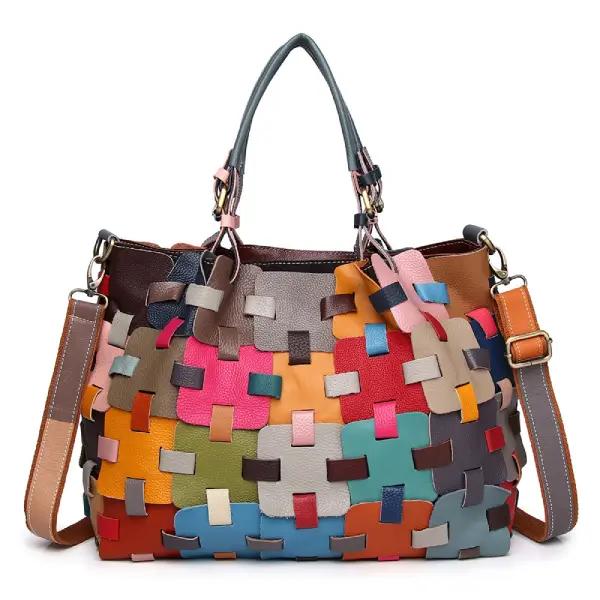
Woven Leather Patchwork Bag
| Material | PU Leather |
|---|---|
| Dimensions | 35(L)*14(W)*28(H) cm |
Lead time
| 1-300 pieces | 20 days |
|---|---|
| > 300 pieces | To be negotiated |
Material guide: Leather Bag Manufacturer for Accented Woven Bags
Details
- Hand-spliced woven and mosaic patterning gives every bag its own character.
- Spacious interior holds an iPad, wallet, phone, keys, umbrella and sunglasses.
- Vibrant colorway suits boutique and gift assortments across seasons.
Samples are paid and ship in 1-10 days; one revision round takes 2-3 days. Logo application on in-stock styles takes 3-7 days.
Related styles
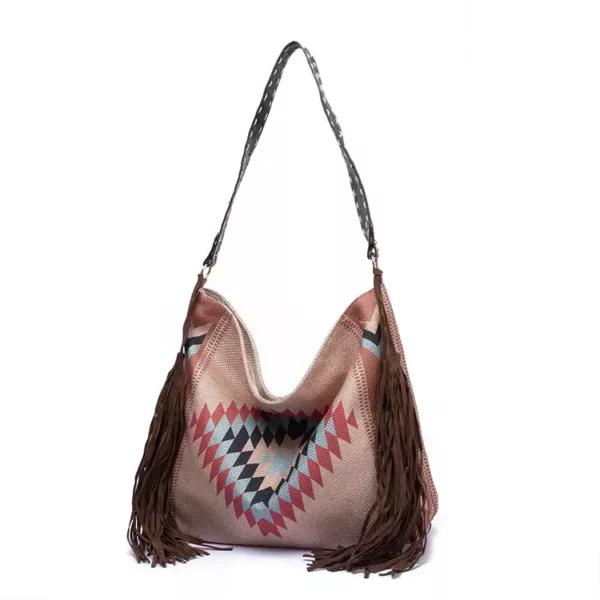
Handmade Woven Tassel Cotton and Linen Shoulder Bag
Bohemian jacquard-woven shoulder bag in cotton and linen with suede-touch tassels.
HB-4746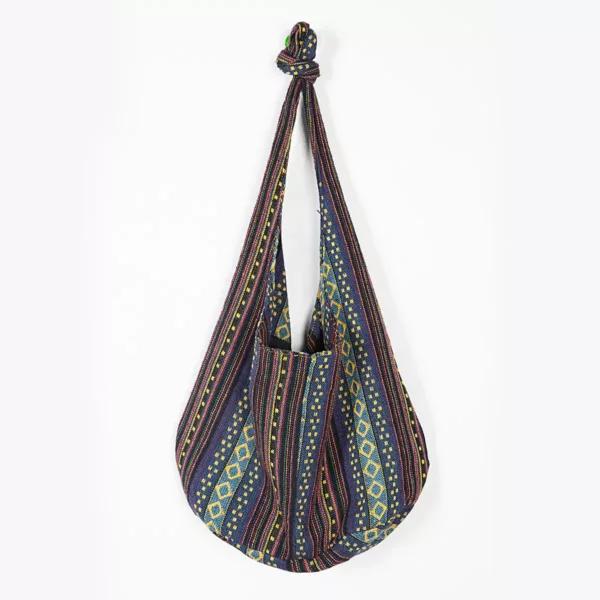
Aztec Cotton and Linen Canvas Jacquard Bag
Woven jacquard hobo bag in cotton and linen with retro geometric stripes and a knotted strap.
HB-4730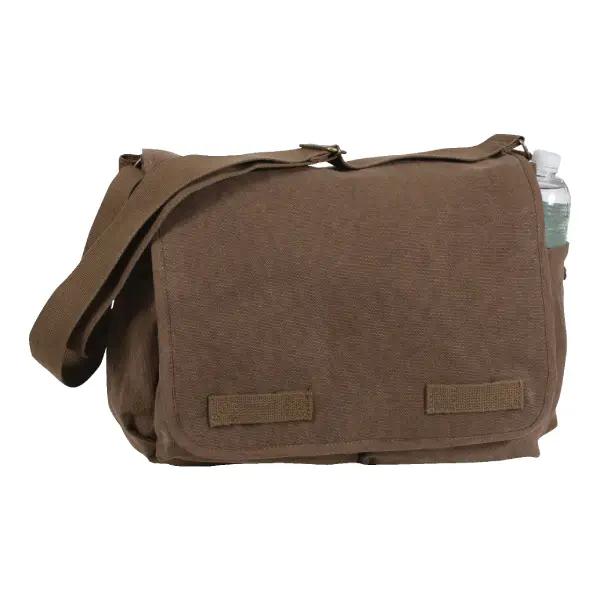
Canvas Messenger Crossbody Bag
Classic flap messenger in cotton canvas, waxed finish available, built for daily commuting lines.
HB-4067What this construction is good at, and where it is the wrong choice
The woven leather patchwork bag is a visual product first. The hand-spliced woven and mosaic patterning means no two units read exactly alike, which is what boutique buyers want when they are building a gift assortment that does not look mass-produced. That same quality is the thing to manage. If your program depends on identical units across a shelf, this SPU will frustrate you before it delights you.
The PU leather shell is designed to give the bag structure and is typically wipe-clean; confirm the exact finish and cleanability with the sample. PU typically resists moisture and scuffs well in daily handling, but confirm the specific performance of this SPU's finish with the sample. It does not develop a patina the way leather does. For a brand that wants a clean, repeatable surface, that is a feature. For a brand selling a heritage story, it is a limitation you should name early.
The spacious interior claim in the bullet points means it will hold an iPad, wallet, phone, keys, umbrella and sunglasses. That is a real everyday carry load, not a cosmetic pouch pretending to be a handbag. The dimensions support that. But the same width and height that make the interior useful also make the bag sit away from the body when carried over the shoulder. A buyer who wants a slim, body-hugging silhouette should look at a different base.
| Published spec value | What it means in use | What a buyer should watch for |
|---|---|---|
| Material PU Leather | A coated composite that gives a leather-like surface with more consistency than natural hide. | Confirm the finish, gloss level, and how it handles creasing at the corners. |
| Dimensions 35(L)*14(W)*28(H) cm | A mid-size carryall with enough depth to hold a full daily load without collapsing. | Check the base width against your retail shelf plan and your freight carton. |
| 1-300 pieces 20 days | A fixed production window for small to mid runs. | Ask what happens to the schedule when the mosaic patterning adds cutting time. |
| > 300 pieces To be negotiated | Lead time becomes a conversation, not a printed promise. | Lock the revised lead time in writing before you approve the larger order. |
How buyers customize this SPU, and what each change does to tooling, cost or lead time
Routine changes are the ones that do not touch the woven body. A different PU colorway, a lining swap, or a strap length adjustment usually moves through sampling without new tooling. These changes affect material sourcing and maybe yield, but they do not reopen the cutting dies or the weaving setup.
Changes to the mosaic pattern are a different animal. If you want a new patchwork layout, the cutting plan changes and the hand-splicing time changes with it. That is not a color swap. Treat it as a structural revision and expect the sample clock to reset. The same goes for the woven body if you move away from the existing jacquard construction.
Logo methods like woven labels (~300 pcs), metal plates (~200 pcs), heat-pressed PVC (~500 pcs), laser marking (~100 pcs), reflective prints (~1000 pcs), hidden placements (~50 pcs), and interchangeable systems (~1000 pcs) are available. Each has a different minimum order quantity, and each interacts with the PU surface differently. A woven label is often the safest starting point for sampling. A metal plate adds perceived value but may require padding to protect the PU surface in transit. Pantone matching is typically specified to a ΔE of 2.0 or better for our bag programs; confirm the exact tolerance for this SPU in writing before sampling. Packaging options typically range from a simple poly bag to a gift box with handle bag; confirm the available choices for this SPU before quoting.
What to confirm before you approve sampling on this product
The first thing to confirm is the PU finish. Ask for a physical swatch, not a photo. The sheen, the hand feel, and the way the material folds at the gusset are impossible to judge on a screen. Write the approved finish into the sample spec so the factory is not guessing.
The second is the mosaic placement. Because the pattern is hand-spliced, the layout on the approved sample becomes your visual contract. If you approve a sample where the woven patch sits high on the front panel, that is what production should repeat. Say so in writing. A buyer who skips this step often receives units where the patchwork drifts lower or rotates slightly, and that is a rework conversation no one wants.
The third is the interior. The bullet points promise an iPad, wallet, phone, keys, umbrella and sunglasses. Test that with the actual items, not with a mental list. If the umbrella is a long handle model, it may not sit flat. If the iPad is in a thick case, the closure may strain. Confirm the load you actually need the bag to carry, and write that load into the sample approval.
Finally, confirm the lead time for your order size. The table gives you 20 days for 1-300 pieces and a negotiation for larger runs. Before you commit to sampling, ask what the negotiated lead time looks like at your target quantity. That answer should be in the same email as the sample confirmation. For more on how woven and leather-accented materials behave in production, see leather-accented materials and PP woven materials. If you are still deciding whether a woven patchwork bag fits your line, the straw bag MOQ sourcing guide covers the trade-offs in more detail.